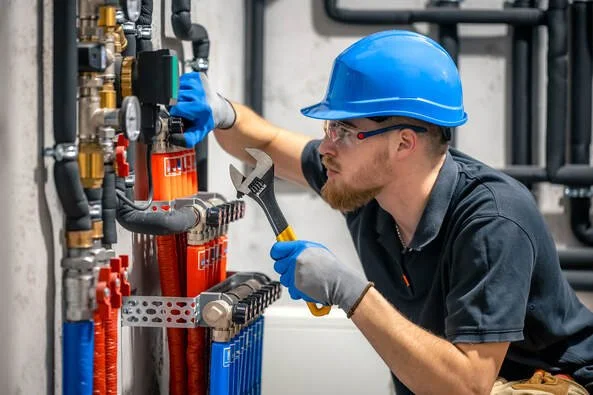
Local plumbing codes establish baseline safety and durability for residential and commercial systems. They define project scope, materials, installation practices, performance criteria, and permit processes with fees and timelines. Jurisdictional differences require attention to permits, inspections, and potential variances. Key topics include sizing, venting, piping materials, and backflow prevention, all aligned to model codes with local amendments. Understanding authority, interpretation, and enforcement across city, county, and state levels reveals how standards are applied in practice, prompting further examination of specific local requirements.
What Local Plumbing Codes Require Homeowners to Know
Local plumbing codes establish the baseline knowledge that homeowners must possess to ensure safe, compliant, and durable piping systems.
The framework defines project scope, material standards, and installation practices with clear performance criteria.
Compliance timelines and permit fees are integral; adherence influences timelines, costs, and inspections.
Homeowners should verify local amendments, record-keeping requirements, and notification obligations to maintain regulatory alignment and system reliability.
How Permits, Inspections, and Variances Work in Your Area
Permitting, inspections, and variances establish the procedural framework governing plumbing work within the jurisdiction. Permit issuance follows defined permitting timelines, detailing application requirements, fees, and review periods. Inspections verify compliance at specified milestones, while variance processes address unique site conditions through formalized justification and documentation. The framework emphasizes accountability, consistency, and safety, ensuring regulated freedom within code-compliant parameters.
Key Code Topics: Sizing, Venting, Piping Materials, and Backflow Prevention
Key Code Topics: Sizing, Venting, Piping Materials, and Backflow Prevention address the essential requirements that govern residential and commercial plumbing installations. The section outlines sizing requirements and venting standards, aligning with model codes and local amendments. It emphasizes material compatibility, corrosion resistance, and backflow prevention mandates, maintaining a regulated framework while preserving professional autonomy and safe, reliable system performance.
Navigating What Changes by City, County, and State
Navigating what changes by city, county, and state requires a clear understanding of how authority distributes code adoption, amendment, and enforcement responsibilities. The piece delineates how jurisdictions issue amendments, interpret requirements, and enforce compliance, clarifying overlaps and gaps. Readers study city differences and jurisdiction nuances to anticipate variances, align projects with applicable regulations, and maintain compliant, consistent installations across multiple governing layers.
Frequently Asked Questions
Do Local Codes Differ for Solar Water Heaters?
Yes, local codes differ for solar water heaters. Jurisdictions may specify solar codes and water heater standards, including permits, inspections, and system performance requirements, influencing design, installation, and compliance despite overarching national or model codes.
How Often Are Plumbing Code Updates Released Locally?
Codes change continually; municipalities measure updates monthly or annually. The answer outlines code adoption timelines and enforcement discretion, detailing local adoption cycles, public comment windows, and inspection interpretations, with precise, regulatory language that lightly honors independent freedom seekers.
Can Homeowners Self-Perform Code-Compliant Repairs?
Homeowners generally cannot self-perform code-compliant repairs without professional licensing; liability remains with the homeowner. Permit requirements apply, and noncompliance can increase homeowner liability, emphasizing that professionals are often required to meet precise regulatory standards.
What Penalties Exist for Code Violations?
Silhouetted scales tip as penalties overview reveals strict fines and permit suspensions; compliance consequences include stop-work orders and mandatory corrections. The jurisdiction enforces oversight, ensuring accountability while preserving freedom through clear standards and timely enforcement.
Are There Exemptions for Historic Properties?
Exemption criteria exist for historic preservation, but vary by jurisdiction; agencies assess preservation significance, integrity, and feasible alternatives. The regulations permit exemptions when alterations comply with standards, safeguarding historic features while meeting essential system upgrades.
Conclusion
Local codes govern the safety, durability, and legality of residential and commercial plumbing projects, mandating clear scopes, material standards, sizing, venting, and backflow prevention. Permits, inspections, and variances ensure ongoing compliance and accountability. Jurisdictional differences—city, county, and state—shape application, enforcement, and timelines, requiring careful interpretation of local amendments to model codes. Interestingly, up to 25% of project delays arise from permit and inspection scheduling, underscoring the need for proactive coordination and rigorous code adherence in every stage.