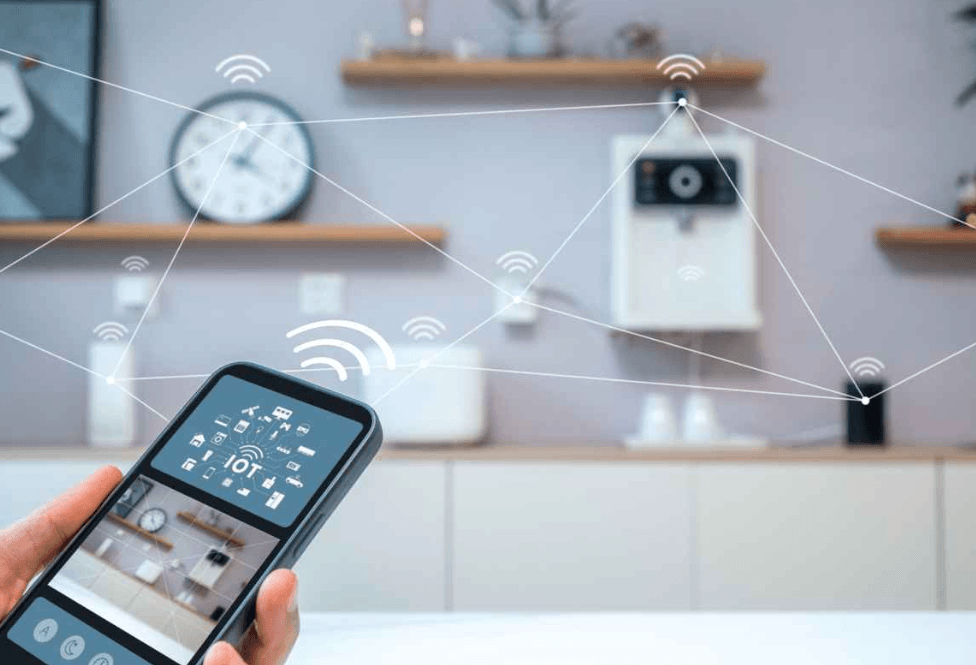
Smart devices quietly organize daily routines by automating tasks and refining patterns toward self-optimizing systems. They weigh convenience against privacy, favoring data minimization and clear defaults with granular controls. Across work, learning, and social life, these technologies must be purpose-bound and governance-forward to avoid blanket data flows. The value claim rests on energy efficiency, reliability, and adaptable routines—yet the balance remains unsettled, inviting closer scrutiny of when and how these tools shape daily autonomy.
How Smart Devices Rewire Everyday Routines
Smart devices recalibrate daily patterns by automating routine tasks, shifting time spent on chores from manual effort to systematized processes.
The shift outlines how homes become self-optimizing ecosystems, where routines adapt to spikes in demand and energy prices.
Recalibrating routines emerges as a core capability, while data ownership remains a guiding concern for empowered users and transparent platform design.
See also: ordreturf
Balancing Convenience With Privacy at Home
The analysis focuses on practical safeguards and user agency, rather than fearmongering.
Privacy trade offs emerge when devices learn routines; choosing data minimization reduces exposure while preserving usefulness.
Transparent defaults, granular controls, and clear disclosures empower residents to maintain autonomy without forfeiting convenience.
Smart Tech Across Work, Learning, and Social Life
The ecosystem cultivates smart routines that boost efficiency while blurring boundaries between personal and professional spheres.
Privacy tradeoffs emerge as data flows accelerate, demanding transparent governance, purpose-bound use, and user empowerment, all within a fast-moving, media-literate environment.
Evaluating Value: Choosing Devices That Fit Your Life
How should individuals determine which devices deliver real value amid a crowded market? Evaluation centers on matching features to daily routines, not hype. Compare interoperability, reliability, and long-term costs. Consider limitations of device ecosystems and potential lock-in. Energy efficiency considerations matter for ongoing usage. Prioritize transparency, data practices, and support. A disciplined choice yields freedom, adaptability, and measurable, practical benefits.
Frequently Asked Questions
What Are the Core Costs Beyond the Purchase Price?
The core costs extend beyond purchase price: device durability and energy consumption dictate ongoing expenses, including maintenance, replacement cycles, and electricity use; prudent buyers evaluate lifecycle efficiency, warranty coverage, repairability, and software updates to minimize long-term financial impact.
Can Smart Devices Affect Sleep and Health Outcomes?
Smart devices can influence sleep quality via blue light, notifications, and circadian cues, potentially affecting fatigue management. They offer tools for monitoring and adjusting routines, but benefits depend on purposeful use, data privacy, and balanced automation.
How Do Devices Collect and Share Data With Apps?
Devices collect data through sensors and apps, then share it via APIs and cloud services. Data collection occurs continuously; data sharing may occur with consent, third parties, or analytics providers, raising privacy, security, and user autonomy concerns for informed freedom.
What Maintenance Tasks Are Required for Long-Term Use?
Maintenance tasks include regular software updates, periodic battery checks, and hardware inspections to sustain device durability. The evaluation is concise and analytical, presenting maintenance routines as essential for long-term reliability, appealing to an audience prioritizing freedom and informed usage.
Are There Recommended Privacy Settings by Category (Home, Work)?
Privacy presets exist by category: home and work. They balance data handling with usability, offering stricter controls at work and modular options at home. Analysts note consistent defaults safeguard while enabling informed adjustments for freedom-minded users. Hyperbolic intro: astonishing.
Conclusion
Smart devices quietly recalibrate daily life, turning routines into data-informed workflows that optimize energy, reliability, and adaptability. Yet governance and privacy must keep pace with convenience, guiding who can access what and how much is shared. When purpose-bound and user-empowered, these technologies become a tool, not a tether. Like a lighthouse on a quiet shoreline, they illuminate efficiency while preserving autonomy, inviting critical choices that shape value without surrendering control.