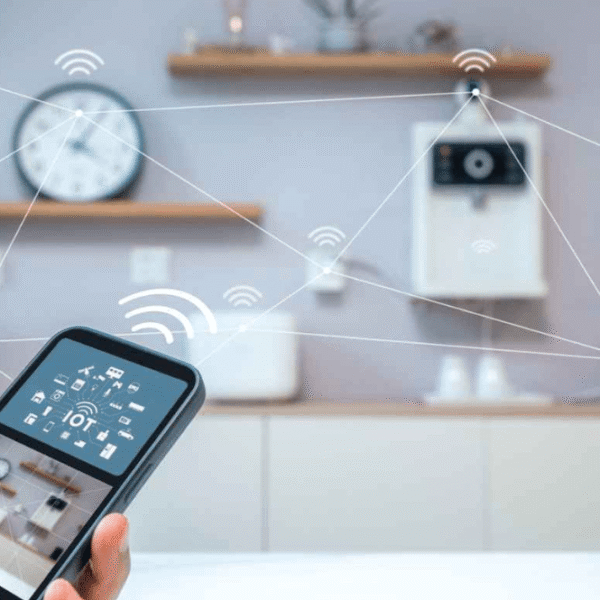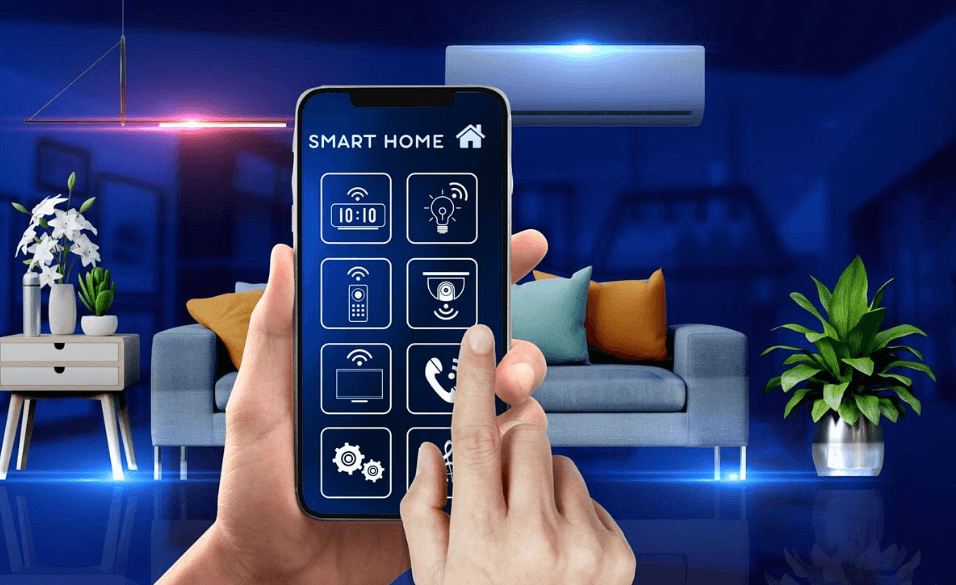
Smart devices automate routine tasks and maintain ambient comfort, delivering consistent environments through adaptive lighting, climate control, and timely reminders. Hubs orchestrate scenes and hands-free routines, while voice actions balance convenience with privacy. Real-time energy dashboards and health wearables support informed choices, underpinned by transparent data practices and secure updates. The result is smoother daily life, yet choices about integration, security, and cost remain critical as users weigh what to deploy next.
What Smart Devices Do for Daily Comfort
Smart devices enhance daily comfort by automating routine tasks, reducing friction, and maintaining consistent environments. They support ambient comfort through adaptive lighting, climate control, and timely reminders, creating predictable surroundings without intrusive input.
Seamless automation links devices and routines, enabling quick adjustments and smoother transitions. This clarity empowers users to prioritize autonomy, efficiency, and intentional living while still benefiting from reliable, user-friendly technology.
See also: Smart Devices and Their Role in Daily Life
How Smart Hubs Create Hands-Free Routines
Smart hubs serve as centralized controllers that orchestrate devices, scenes, and routines to minimize manual input. They enable hands free routines by linking sensors, inputs, and triggers into seamless sequences. Voice activated automation interprets commands, creating context-aware actions without taps. This orchestration reduces friction, enhances accessibility, and supports independent living, while preserving user control and privacy through configurable safeguards and transparent data handling.
Managing Energy and Health With Connected Tech
Efficient energy management and proactive health monitoring are increasingly integrated into daily life through connected devices. Energy dashboards provide real-time consumption data, enabling informed decisions about habits and appliances. Health insights from wearable sensors support early detection and personalized care. Privacy considerations arise with data sharing and cloud access; transparent policies and user controls remain essential for trusted, autonomous living.
Choosing, Securing, and Pricing Smart Devices
The process of selecting devices involves evaluating compatibility, performance, and total cost of ownership, while security considerations—such as update policies, encryption, and vendor reputation—determine long-term reliability.
Buyers weigh interoperability and software support against upfront price, monthly fees, and resale value.
Security concerns and data privacy influence vendor choice, guiding transparent data practices, controllable permissions, and clarity about data-sharing boundaries for a freedom-minded audience.
Frequently Asked Questions
How Do Smart Devices Impact Privacy and Data Sharing?
Smart devices raise privacy concerns, as data collection expands through interconnected systems. They emphasize data minimization to limit exposure, while discussions of privacy and data sharing acknowledge security vulnerabilities that can undermine user autonomy and freedom.
Can Devices Learn Routines Without Wi-Fi Connectivity?
Yes, devices can learn routines offline by using on-device processing; offline learning enables learned routines without constant internet. However, capabilities vary by hardware, and some features may require periodic online updates for accuracy and security.
Are Smart Gadgets Energy-Efficient Long-Term Investments?
Smart gadgets can be energy-efficient long-term investments, as they offer energy savings through optimized usage. However, cost justification depends on device reliability, usage patterns, and ongoing service needs, balancing upfront price against projected energy reductions and convenience.
Do I Need Professional Setup or Just Guides?
The answer: It varies by device, but generally a professional setup is optional; user guides often suffice. Pros may prefer professional setup for complex ecosystems, while others favor autonomous installation, accessibility, and rapid experimentation within a freedom-seeking approach.
What Maintenance Factory Warranties Typically Cover?
“Time is money.” Maintenance scope and warranty limits vary by manufacturer, but typically cover defects in materials and workmanship for a set period; exclusions apply to wear, misuse, unauthorized repairs, and routine maintenance.
Conclusion
Smart devices turn routine living into a poised choreography, where lights dim as rooms warm and mornings begin with a steady, unseen rhythm. Hubs weave discreet routines, while dashboards reveal choices and costs in plain sight. Like old confidants, they promise comfort without intrusion, yet demand ongoing trust. As energy and health metrics shape decisions, the technology’s promise rests on transparent updates and vigilant security. In this evolving quiet, everyday life becomes more manageable, not more complicated.