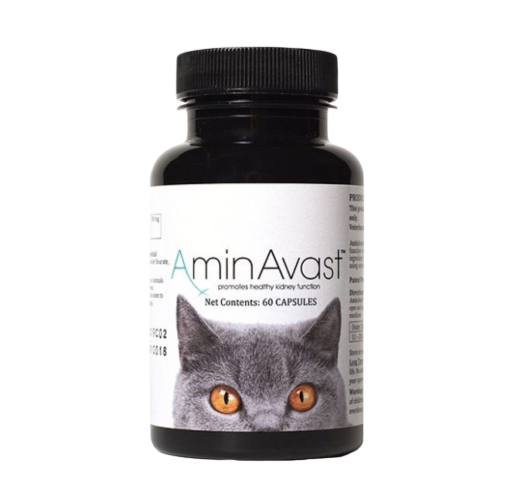
When a cat or dog is diagnosed with kidney disease, nutrition becomes one of the first topics an owner wants to understand. The advice can seem contradictory at first: protein may need to be managed more carefully, yet the body still needs essential amino acids to maintain muscle, repair tissue, and carry out everyday functions. That tension is exactly where amino acid support products enter the conversation, and it is worth understanding what they are intended to do before deciding whether one has a place in a particular pet’s care.
Kidney disease affects how the body handles waste products, fluid balance, and minerals. Veterinary management usually involves a combination of diet, hydration support, monitoring through blood and urine tests, and treatment of related problems such as high blood pressure or anaemia. Nutrition is central, but it is not a simple matter of removing one nutrient or adding another. It is a balance, and that balance is different for every animal depending on species, age, weight, stage of disease, and other health conditions.
What Amino Acid Support Means in Renal Care
AminAvast is described as a kidney support supplement providing essential amino acids for renal health in cats, and it is also discussed in connection with dogs. Essential amino acids are those the body cannot make on its own in sufficient amounts, so they must come from food or, in some cases, from a supplement. In renal nutrition, the idea is to supply these building blocks while keeping the overall dietary plan within the limits a veterinarian has set for that animal.
This is not the same as simply feeding more protein. A renal diet is carefully formulated, and adding protein-rich foods or supplements without guidance can disturb the balance the diet is trying to achieve. An amino acid product is therefore best seen as a targeted form of nutritional support to be considered within an existing veterinary plan, not as a way to bypass dietary advice. If a pet is already eating a prescription renal diet, the veterinarian is the right person to judge whether additional amino acids are needed, or whether the diet already covers that requirement.
See also: 5 Ways Photographers Can Prove the ROI of Team Headshots for Corporate Clients
Why Protein and Amino Acids Need Careful Handling
In healthy animals, protein is broken down into amino acids, used by the body, and the waste products are cleared by the kidneys. When kidney function declines, that clearance becomes less efficient, and waste products can build up. That is one reason veterinary renal diets often moderate protein intake and focus on high-quality, easily used protein sources. The aim is to reduce the workload on the kidneys while still meeting the animal’s needs for maintenance and repair.
Muscle loss is a particular concern. A pet that eats less, feels nauseous, or loses weight may lose muscle as well as fat, and that loss can affect strength, mobility, and overall resilience. Essential amino acids are involved in maintaining muscle, which is why they attract attention in renal care. However, muscle maintenance also depends on adequate overall calorie intake, control of nausea, dental health, pain management, and general wellbeing. A supplement alone cannot compensate if a pet is not eating enough, or if another problem is left untreated.
Working With Your Veterinarian on Nutrition
A productive veterinary conversation about renal nutrition usually covers several points. The veterinarian will want to know what the pet is currently eating, including treats, table scraps, and any supplements, and how much is actually being eaten each day. Weight, muscle condition, and blood results help complete the picture. From there, the veterinarian can advise whether the current diet is appropriate, whether a change is needed, and whether a supplement fits into the plan.
Owners can help by keeping simple records. Noting daily appetite, water intake, energy levels, vomiting, and stool quality gives the veterinarian concrete information to work with, rather than a general impression that the pet seems better or worse. Photographs of the pet from the side and above, taken a few weeks apart, can also help show changes in body condition that are hard to notice day by day. These small habits make follow-up appointments more useful, and they make it easier to judge whether any change, including a new supplement, is associated with a real improvement.
Renal Care Is Not the Same as Recovery From Other Illnesses
Pet owners often research several health topics at once, especially when a household has more than one animal or when a pet has multiple conditions. It helps to keep those topics separate, because the nutritional priorities can be quite different. A dog recovering from an acute illness, for example, has different short-term needs from a cat living with chronic kidney disease, and guidance about pancreatitis recovery time in dogs illustrates how recovery is judged over weeks, with appetite, energy, and veterinary rechecks all playing a part. Renal care, by contrast, is usually a longer-term process of monitoring and adjustment, and a product that suits one situation should not be assumed to suit another.
What Sensible Expectations Look Like
A sensible expectation for amino acid support is modest and practical. If a veterinarian agrees that it fits the pet’s plan, it may help ensure that essential amino acid needs are covered while the overall diet remains within renal guidelines. Any benefit is likely to be gradual, and it will be difficult to separate from the effects of diet, hydration, and other treatments given at the same time. Owners should agree in advance how the supplement will be reviewed, what signs would suggest stopping it, and when blood tests or weight checks will be repeated.
A Practical Summary for Owners
Amino acid support in renal care is best approached as one nutritional question among several, not as a standalone answer. Understand why protein needs careful management, discuss the product openly with a veterinarian, consider appetite and overall intake, keep simple records, and review the plan regularly. If a supplement earns its place, it will be because it fits the individual pet’s diet, stage of disease, and daily routine, and because its use is monitored alongside veterinary care. That careful, unhurried approach gives both cats and dogs with renal needs the best chance of maintaining strength and comfort over time.