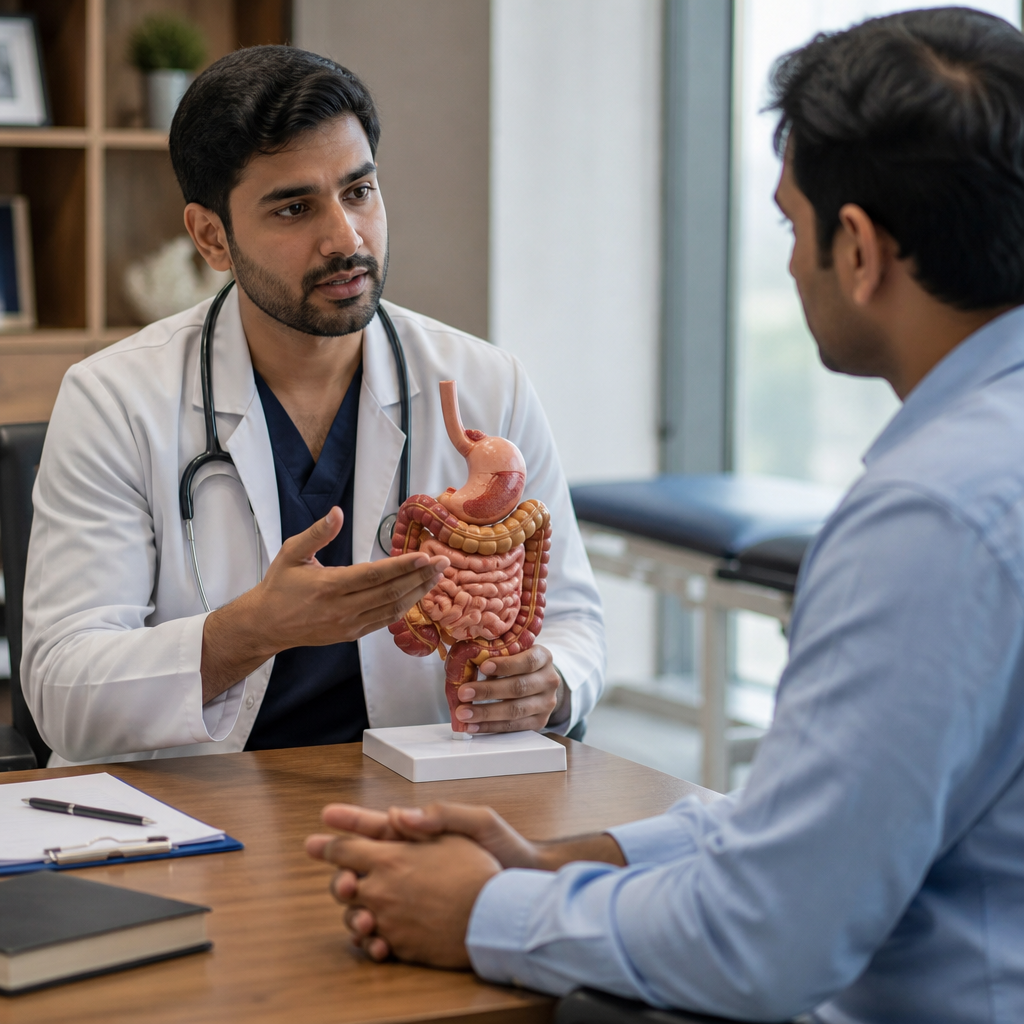
Digestive health plays a fundamental role in overall wellness, yet many people experience persistent gastrointestinal symptoms without seeking appropriate medical evaluation. From chronic abdominal discomfort to irregular bowel patterns, these issues can significantly impact quality of life. When digestive problems persist or worsen, consulting a qualified specialist becomes essential. For residents seeking expert evaluation and treatment, finding a trusted gi doctor abu dhabi ensures access to comprehensive diagnostic services and evidence-based treatment protocols tailored to individual needs.
The Complex Nature of Gastrointestinal Disorders
The gastrointestinal system comprises a sophisticated network of organs working in concert to process nutrients, eliminate waste, and maintain immune function. When any component of this system malfunctions, the consequences can manifest in numerous ways. Common conditions include gastroesophageal reflux disease, irritable bowel syndrome, inflammatory bowel disease, peptic ulcers, and various forms of malabsorption syndromes. Each condition presents unique diagnostic challenges and requires tailored therapeutic approaches.
Modern gastroenterology has evolved significantly with advanced diagnostic tools that allow physicians to visualize internal structures with remarkable precision. Endoscopic procedures, imaging studies, and laboratory tests now provide detailed insights into disease processes that were once difficult to identify. These technological advances enable earlier detection of serious conditions, including colorectal cancer and precancerous lesions, dramatically improving treatment outcomes.
Recognizing When Professional Intervention Is Necessary
Many individuals delay seeking medical attention for digestive symptoms, attributing them to dietary indiscretions or stress. While occasional discomfort may indeed result from temporary factors, certain warning signs warrant immediate professional evaluation. Persistent abdominal pain lasting more than a few weeks, unexplained weight loss, blood in stool, difficulty swallowing, or chronic diarrhea or constipation should never be ignored.
The Importance of Comprehensive Evaluation
A thorough gastroenterological assessment begins with detailed medical history and physical examination. Specialists consider family history, lifestyle factors, dietary patterns, and medication use to develop a complete clinical picture. Diagnostic testing may include blood work to identify inflammation markers or nutritional deficiencies, stool studies to detect infections or bleeding, and imaging studies to visualize organ structure and function.
Endoscopic procedures represent a cornerstone of gastrointestinal diagnosis. Upper endoscopy allows direct visualization of the esophagus, stomach, and upper small intestine, while colonoscopy examines the large intestine and terminal ileum. These procedures not only facilitate diagnosis but also enable therapeutic interventions such as polyp removal, bleeding control, and tissue sampling for pathological analysis.
Surgical Considerations in Digestive Disease Management
While many gastrointestinal conditions respond to medical management, some situations necessitate surgical intervention. Procedures may address structural abnormalities, remove diseased tissue, or correct functional problems that compromise digestive health. Common surgical procedures include hernia repair, gallbladder removal, bowel resection for inflammatory disease or cancer, and bariatric surgery for severe obesity-related metabolic conditions.
Before undergoing any surgical procedure, patients benefit from understanding what to expect during the perioperative period. Asking informed questions helps reduce anxiety and promotes better outcomes. Resources like comprehensive surgical preparation guides provide valuable frameworks for discussing anesthesia options, potential complications, recovery timelines, and postoperative care requirements with surgical teams.
Post-Surgical Recovery and Lifestyle Adjustments
Recovery following gastrointestinal surgery requires patience and adherence to medical guidance. The postoperative period often involves dietary modifications, activity restrictions, and wound care protocols. Some procedures necessitate temporary or permanent changes to digestive function, requiring patients to adapt to new routines and management strategies.
Nutritional support becomes particularly important during recovery. The digestive system needs time to heal, and specific dietary approaches may be recommended to minimize stress on healing tissues while ensuring adequate nutrient intake. Consultation with registered dietitians specializing in gastrointestinal conditions can provide personalized nutrition plans that support healing and long-term health.
Managing incontinence issues can present additional challenges for some patients during recovery. Understanding options for protective undergarments and containment solutions helps individuals maintain dignity and comfort while their bodies heal. Temporary bowel control difficulties following certain procedures are not uncommon, and appropriate management products can significantly improve quality of life during this transitional period.
Preventive Approaches to Digestive Health
Prevention remains the most effective strategy for maintaining gastrointestinal wellness. A diet rich in fiber from fruits, vegetables, and whole grains supports healthy bowel function and may reduce risk for various digestive diseases. Adequate hydration facilitates proper digestion and waste elimination. Regular physical activity promotes intestinal motility and contributes to overall metabolic health.
Limiting alcohol consumption, avoiding tobacco products, and maintaining healthy body weight all contribute to reduced risk for conditions like gastroesophageal reflux, liver disease, and certain gastrointestinal cancers. Stress management techniques including mindfulness practices and regular exercise can help mitigate symptoms of functional gastrointestinal disorders like irritable bowel syndrome.
The Role of Advanced Medical Facilities
Access to comprehensive digestive disease care requires facilities equipped with state-of-the-art technology and staffed by multidisciplinary teams. Leading institutions integrate gastroenterologists, hepatologists, colorectal surgeons, interventional endoscopists, pathologists, radiologists, and specialized nurses to provide coordinated care across the full spectrum of digestive disorders.
These centers offer capabilities ranging from routine diagnostic procedures to complex therapeutic interventions. Advanced endoscopic techniques can now address conditions that previously required open surgery, reducing recovery times and complications. Minimally invasive approaches continue to expand the therapeutic options available to patients with challenging digestive conditions.
Conclusion
Digestive health represents a critical component of overall wellness that deserves careful attention and professional management when problems arise. Understanding when to seek specialized care, what diagnostic and treatment options exist, and how to support recovery through lifestyle modifications empowers individuals to take active roles in their health management. Whether addressing chronic symptoms, preparing for surgical intervention, or focusing on preventive strategies, partnering with experienced gastroenterology specialists ensures access to comprehensive, evidence-based care tailored to individual needs and circumstances.