Weight reduction has become an important objective across modern engineering. Manufacturers in aerospace, marine, transportation, renewable energy, and industrial sectors increasingly look for materials that provide structural performance without unnecessary mass.
Sandwich construction offers one practical approach. By combining lightweight core material with stronger outer skins, engineers can create panels with useful stiffness while keeping weight relatively low.
The Basic Principle
A sandwich panel normally consists of two relatively thin face sheets separated by a lightweight core.
The face sheets carry much of the tensile and compressive loading, while the core maintains the distance between them and contributes to overall stiffness.
This structural arrangement allows engineers to achieve efficient performance with less material than some solid constructions.
Why Honeycomb Cores Are Effective
Honeycomb cores use a repeating cellular structure.
The geometry provides support while minimizing material usage. This makes honeycomb construction particularly attractive when low weight is an important design requirement.
Different core densities and cell sizes can be selected depending on the required performance.
See also: Smart Devices Enhancing Daily Life
Material Selection
The core material should be selected according to the operating environment and structural requirements.
Aramid-based honeycomb is one option for applications where lightweight construction and suitable mechanical performance are required.
The face sheets must also be compatible with the core. Composite skins, aluminum, and other materials may be used depending on the design.
Bonding Is Critical
The connection between the core and face sheets is a key part of sandwich-panel performance.
An appropriate adhesive and controlled bonding process help ensure that loads can transfer effectively between the different layers.
Poor bonding can reduce structural performance even when the individual materials are high quality.
Manufacturers should therefore control surface preparation, adhesive application, pressure, temperature, and curing conditions according to the selected system.
Environmental Conditions
Engineering structures may experience significant environmental exposure.
Temperature changes, moisture, vibration, chemicals, and mechanical loads can all influence material performance.
Designers should evaluate how the complete sandwich panel behaves under expected conditions rather than considering the core material alone.
Testing under realistic conditions can provide valuable information about long-term durability.
Aerospace and Transportation
Weight reduction is particularly important in transportation.
Aircraft, marine vessels, rail equipment, and other vehicles can benefit from lightweight structural components because reducing mass can contribute to energy efficiency.
However, transportation applications often involve strict performance and safety requirements. Materials must therefore be qualified according to the relevant standards.
Manufacturing Accuracy
Sandwich panels require controlled manufacturing.
Core thickness, face-sheet alignment, bonding, and surface quality can all influence the final result.
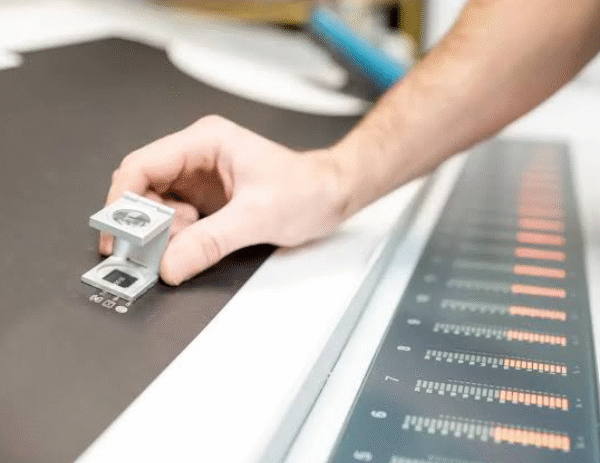
Automated manufacturing and inspection technologies can help improve repeatability, particularly for large production runs.
Choosing a Suitable Core
When reviewing an aramid honeycomb solution, engineers should consider density, cell size, thickness, mechanical requirements, environmental exposure, and compatibility with the face-sheet and adhesive system.
The correct specification depends on the final application rather than simply choosing the lightest available material.
FAQs
What is the purpose of the core in a sandwich panel?
The core separates the face sheets and contributes to stiffness while keeping the structure relatively lightweight.
Why is bonding important?
The adhesive interface transfers loads between the core and outer skins. Poor bonding can reduce the performance of the complete panel.
Are honeycomb panels suitable for every application?
No. Material selection should consider structural requirements, environment, manufacturing methods, and applicable safety standards.
Conclusion
Lightweight sandwich construction provides engineers with an efficient approach to structural design. Honeycomb cores can help create panels that balance low weight with useful stiffness and strength.
The best results come from treating the entire panel as an integrated system. Core selection, face-sheet materials, bonding, manufacturing accuracy, environmental exposure, and quality testing should all be considered before production. This systematic approach can help manufacturers develop lightweight structures that meet demanding performance requirements.