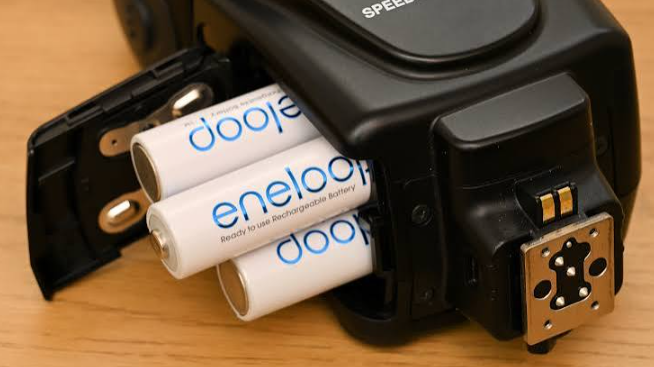
Many battery-powered products are designed to operate for extended periods or require a dependable supply of portable energy. While compact battery formats are suitable for smaller electronics, some devices are designed around larger cells that can provide the physical capacity required by their construction.
Rechargeable battery technology offers another useful option for these products. Instead of replacing a compatible battery whenever its charge is depleted, users can recharge it and continue using it. This approach can be especially convenient for households, workplaces, and other environments where battery-powered equipment is used regularly.
Larger rechargeable cells are available in several formats, with D-size batteries representing one of the commonly recognized options. Before selecting one, however, it is important to understand battery size, chemistry, capacity, charging requirements, and device compatibility.
What Are D-Size Batteries?
D-size batteries are larger cylindrical cells designed for equipment that requires this particular physical format. Their larger dimensions distinguish them from smaller household batteries such as AA, AAA, and C cells.
The size of a battery does not by itself determine whether it is suitable for a device. Voltage and chemistry are equally important. A D-size rechargeable cell should therefore only be used in equipment designed to accept the appropriate rechargeable battery specification.
Checking the device manual or existing battery label is the simplest way to identify the correct requirements.
Why Use a Rechargeable Format?
Rechargeable batteries are designed to be charged and used repeatedly. This can be convenient for devices that consume batteries regularly.
Instead of keeping a constant supply of disposable cells, users can maintain a set of rechargeable batteries and recharge them when necessary. This can simplify battery management and reduce the frequency of replacement purchases.
Rechargeable technology does require a suitable charger and appropriate charging practices, so users should consider these requirements before switching from single-use batteries.
Common Applications
Larger batteries are often associated with equipment that needs more physical space for its power source.
Depending on the product design, D-size batteries may be used in compatible flashlights, lanterns, toys, portable audio equipment, emergency devices, and other household products.
The exact application depends on the manufacturer. Some devices may specifically require disposable batteries, while others are designed to accept rechargeable cells.
For this reason, users should never assume that a D-size rechargeable battery is suitable simply because a standard D-size battery fits the compartment.
Understanding Battery Capacity
Capacity is one of the specifications consumers may encounter when comparing rechargeable batteries. It is generally expressed in milliampere-hours, or mAh.
A battery with a larger capacity may store more electrical charge under specified test conditions. However, the actual runtime of a device depends on its energy consumption and operating conditions.
For example, a high-power device can consume energy much faster than a low-power product. Temperature, battery age, charging history, and device design can also influence performance.
Capacity is therefore useful for comparison, but it should not be treated as a guaranteed runtime figure.
Voltage and Chemistry
Battery chemistry affects how a cell behaves during use and charging. Rechargeable D-size batteries are commonly available in nickel-metal hydride chemistry, while single-use D batteries may use other technologies.
Voltage is another essential consideration. Even when two batteries have the same physical dimensions, their electrical characteristics may differ.
The device manufacturer’s instructions should always be the starting point when choosing a battery. Users should avoid substituting a different chemistry or voltage without confirming compatibility.
The Role of a Compatible Charger
Rechargeable batteries require a charger designed for their chemistry and format.
Using the appropriate charger helps ensure that the charging process follows the requirements of the battery. Users should read the charger and battery instructions before starting a charging cycle.
A charger should not be selected solely because the physical battery fits inside it. Electrical compatibility is equally important.
It is also advisable to avoid charging batteries that show signs of damage, swelling, leakage, or other abnormal conditions.
Managing Multiple Batteries
Some devices require two, three, or more batteries at the same time. In these situations, consistent battery management becomes particularly important.
Using matching rechargeable cells with similar capacity and condition can help provide more consistent operation. Users should generally avoid combining a newly purchased battery with an older, significantly degraded cell in the same device.
Labeling or organizing rechargeable batteries can also make it easier to keep track of charging cycles and battery sets.
Storage and Everyday Care
Rechargeable batteries should be stored under the conditions recommended by the manufacturer. Excessive heat, moisture, and physical damage can negatively affect battery condition.
Loose batteries should be kept away from coins, keys, and other metal objects. Accidental contact between terminals can create unwanted electrical discharge.
When batteries are not being used for a prolonged period, following the manufacturer’s storage recommendations is important because different rechargeable technologies have different storage characteristics.
When Larger Rechargeable Cells Make Sense
A larger rechargeable format may be worth considering when the device specifically requires that size and is used frequently.
For example, a household that regularly uses battery-powered lanterns or other compatible equipment may find rechargeable cells convenient because the same batteries can be restored through charging rather than replaced after every use.
For equipment that is rarely used, single-use batteries may sometimes be more convenient, particularly if the product needs to remain ready for immediate use.
The choice should be based on actual usage rather than battery size alone.
Comparing Products Before Purchase
A careful comparison can help consumers avoid compatibility problems.
Start by checking the device’s required battery size and voltage. Then determine whether rechargeable batteries are supported and identify the recommended chemistry. Capacity, charging requirements, and package quantity can also be compared.
It is useful to purchase batteries from a supplier that provides clear product specifications. GP Batteries offers rechargeable battery products in larger formats, including D-size NiMH cells. Its range can help consumers compare available options according to their intended applications and technical requirements. Those researching rechargeable d batteries can review the relevant product information before making a decision.
Responsible End-of-Life Management
Rechargeable batteries eventually lose some of their ability to hold and deliver energy. When a battery no longer performs adequately, it should not simply be discarded without considering local recycling requirements.
Many communities provide battery collection systems that allow used rechargeable cells to be handled separately from ordinary household waste.
Consumers should follow local regulations and the manufacturer’s disposal guidance. Damaged batteries may require additional precautions, so they should be handled according to appropriate safety instructions.
Practical Battery Habits
A few simple habits can improve everyday battery management.
Keep rechargeable batteries organized and use a charger designed for the correct chemistry. Inspect batteries regularly and stop using cells that show visible damage.
When a device will not be used for a long period, check whether the manufacturer recommends removing the batteries.
It is also helpful to keep a record of which batteries are charged and which are ready for use, especially in homes with several battery-powered devices.
Three Common Questions
1. What devices can use D-size rechargeable batteries?
They can be used in compatible equipment designed for the D battery format, including certain flashlights, lanterns, toys, portable audio products, and other household devices.
2. Can rechargeable D batteries replace disposable D batteries?
It depends on the device. Users should confirm that the equipment supports the specific rechargeable chemistry and voltage before making a replacement.
3. Do rechargeable D batteries need a special charger?
They require a charger that is compatible with their battery chemistry and format. A charger should not be selected only because the battery physically fits.
Conclusion
D-size rechargeable batteries can provide a reusable source of portable power for compatible devices that require a larger battery format. Their ability to be recharged can be particularly convenient for equipment that is used frequently.
The most important step is to verify compatibility before purchase. By checking battery size, voltage, chemistry, capacity, charger requirements, and storage guidance, users can choose an appropriate product and manage it responsibly throughout its useful life.